Motorcycle Accident Insurance Payout
By the MotoWreck Help Editorial Team · Last reviewed: April 2026
If you crashed your bike and insurance is involved, here's what you're actually getting. Motorcycle insurance payouts cover vehicle damage, medical expenses, and lost wages—depending on your policy. Most riders have liability coverage, which covers the other person's stuff, not yours. Comprehensive and collision cover your bike. Medical payment coverage covers you. The payout amount depends on your policy limits, the damage type, and who was at fault. Insurance adjusters try to settle quickly and low—don't sign anything in the first two weeks. Get treatment documented, take photos of the crash scene and your gear, and get witness names. If the offer feels short, hire a motorcycle accident lawyer before settling. You might walk away with significantly more.
Talk to an attorney — no upfront cost, no obligation.
Start my case review →The three types of motorcycle insurance payouts
After a crash, you're looking at three separate payout categories. First: your bike. If you have comprehensive or collision coverage, your insurer pays for damage—but only up to your policy limit and after your deductible. A $5,000 bike with a $500 deductible and $10,000 coverage limit means you get $4,500 maximum for the bike, assuming it's not totaled. Second: your medical bills. If you have medical payment coverage (sometimes called med-pay), it covers hospital, surgery, and treatment—up to your limit, usually $1,000 to $5,000. Most riders skip this and rely on health insurance instead. Third: lost wages. If you're hurt and can't work, some policies cover lost income—but most riders don't have this. Liability coverage is mandatory in most states, but it only pays if you're at fault and the other person sues. If the other rider hit you, their liability insurance pays your bills. Here's the catch: adjusters know you're in pain and not sharp. They'll push for a fast settlement, usually within 2-4 weeks. That's not enough time to know how badly you're actually hurt.
Most dangerous routes for motorcycle accidents
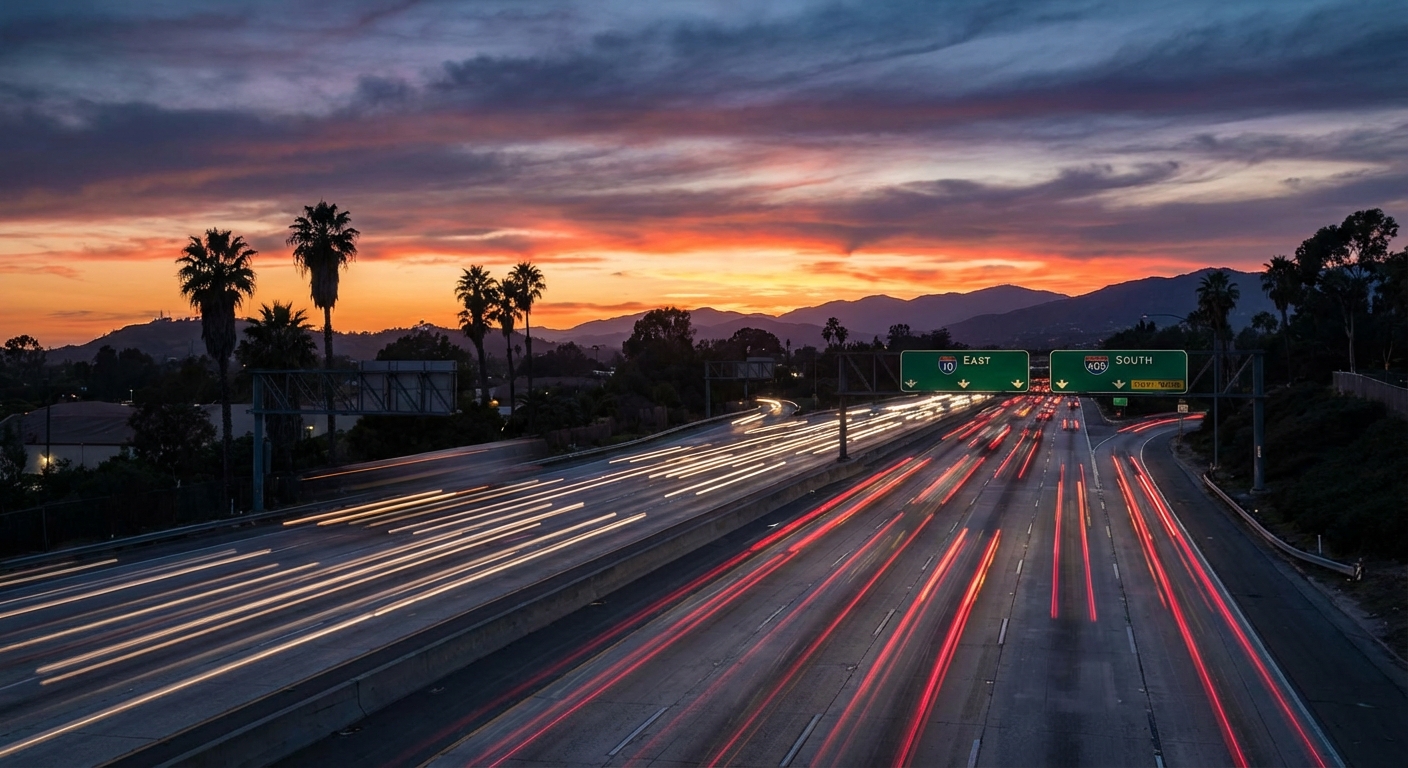
Certain roads eat bikes. Highway 1 in California (especially around Big Sur and Malibu), Route 129 near Santa Cruz (the Tail of the Dragon's California cousin), and Interstate 10 through canyon sections see constant motorcycle wrecks. In the East, the Tail of the Dragon between Tennessee and North Carolina has earned its reputation—14 miles of elevation change and 318 curves. Twisty mountain passes everywhere draw riders and produce high-speed, high-injury crashes. Urban intersections in dense cities (LA, NYC, Chicago, San Francisco) account for lower-speed but high-frequency crashes. Why does this matter for your insurance payout? Injury severity drives claim value. A 30-mph intersection crash usually means road rash and maybe a fracture. A 60-mph highside on a canyon road means ICU time, surgery, and permanent nerve damage. Insurance adjusters know this. They'll offer more for a canyon crash than a city-street fender-bender, assuming similar property damage. You can see [NHTSA's detailed crash data by road type](https://www.nhtsa.gov/) to understand your claim's typical value range. Document where your crash happened and the road conditions—adjusters use this to benchmark similar claims.
What to do at the scene
First: don't panic about the bike. Second: don't move the bike unless it's blocking traffic and creating a hazard. Third: stop. Sit. Breathe. Take inventory—are you bleeding? Can you move? Are you dizzy? Adrenaline masks injury. You might feel fine for 20 minutes, then your back seizes up. Document that in your memory. Call 911 if you think you need an ambulance—don't decline one if offered. The paramedics' report is gold for your claim; it's an official record of your injuries from trained observers. If you can move, take photos. Lots of photos. Your phone is your evidence tool now. Shoot: the crash site from multiple angles, your bike from multiple angles (show damage pattern), the road surface (asphalt, gravel, potholes, debris), weather (sun glare, rain, fog), traffic signs and signals, and any vehicle damage from the other party. Get the names and phone numbers of at least three witnesses—riders often only get one. Get the other driver's insurance info, license plate, driver's license number, and vehicle description. Don't admit fault. Don't discuss settlement. Don't say "I'm fine" even if you think you are. Stick to facts: "I was northbound on Main Street and the SUV turned left from the center lane without signaling." That's it. Call your insurance company once you're safe and have a clear mind—not while you're still at the scene.
Local reporting and evidence preservation
Get the police report number. It's the anchor document for your entire claim. When the officer arrives, give a clear, short account of what happened. Be polite. Be factual. Answer questions directly. Don't volunteer theories about fault—that's for adjusters. Once you leave the scene, go to urgent care or the ER, even if you feel okay. Road rash, soft tissue damage, and internal bruising can show up 12 hours later. Get the paramedics' names and transport time—their report is credible evidence. Request copies of your medical records and imaging (X-rays, CT scans, MRI) as soon as you get home. Build a timeline: when you were hit, when you got to the hospital, what treatment you had, when you went home, what rehab you did. This timeline is what insurance uses to value your claim. Take photos of your injuries as they heal—especially road rash and visible bruising. Sounds gross, but it matters. Don't repair your bike yet. The adjusters want to see it in post-crash condition; they'll send their own appraiser. Preserve your riding gear too. The angle and severity of damage on your jacket, helmet, and gloves tells the story of how you hit the road. Keep every receipt: medical co-pays, physical therapy, medication, gear replacement. Insurance settles based on documented expenses. Here's the industry secret: [trauma centers have injury protocols](https://www.iihs.org/) that guide treatment and document severity. The better your documentation matches clinical standards, the easier your claim settles for real money.
Finding a motorcycle accident attorney
If the other party was clearly at fault and your injuries are serious, hire a lawyer before the insurance adjuster locks you into a settlement. Most motorcycle accident lawyers work on contingency—no upfront fees, they get paid if you win. That means they won't take your case unless they think they can beat the insurance company's offer. That's actually a good filter. Interview at least three lawyers. Ask: Have you handled motorcycle accidents before? What's your usual settlement range for injuries like mine? Do you have a trial record, or do you mostly settle? Will you push for reasonable medical treatment, or will you pressure me to close quickly? Red flags: a lawyer who pressures you to settle immediately, who promises a specific dollar amount (they can't know that), or who hasn't tried a motorcycle case in years. Right flags: a lawyer who asks detailed questions about your treatment, your job, your bike, and the road conditions. They're evaluating your claim seriously. A good motorcycle lawyer doesn't just negotiate with the insurance adjuster—they understand how juries think about bikers, how judges interpret comparative negligence rules, and what medical evidence actually moves a settlement. Insurance adjusters know this too, which is why they offer more when you've got representation.
Frequently asked questions
What happens if I don't have insurance?
You're liable for the other rider's damages out of pocket. Your bank account and wages can be garnished. That's why liability insurance is mandatory in most states. If the other party was at fault and hit you with no insurance, your own uninsured motorist coverage (if you have it) covers your medical bills and bike damage. If you don't have that coverage, you'll be paying your own medical bills.
How long does it take to get an insurance payout?
Simple property damage claims (bike-only, no injury) usually settle in 2-4 weeks. If you're injured, expect 6-12 weeks if you settle without a lawyer. With a lawyer and serious injuries, 6-18 months is normal. Adjusters are trained to move fast in the first 30 days—that's when you're most likely to accept a lowball offer. Take your time.
Can the insurance company deny my claim?
Yes, but only with cause. They can deny if you were driving recklessly (racing, extreme speeds), if you lied on your policy application, or if you were violating a major traffic law. They can reduce your payout if you were partially at fault (comparative negligence). They cannot deny just because you ride a motorcycle—that's illegal.
Do I have to accept the adjuster's first offer?
Absolutely not. That first offer is usually 30-50% below what your claim is actually worth. Counter-offer. Ask for a written explanation of how they calculated the number. Ask for clarification on medical expenses, lost wages, and pain and suffering. If it still feels low, hire a lawyer before accepting anything.
What if the other party's insurance is denying fault?
That's standard. Insurance companies deny first, negotiate second. Your police report and photos are evidence of fault. If it's a close call (both riders partially at fault), your state's comparative negligence rule decides how much you recover. A lawyer helps prove fault and maximize your percentage—especially if you were even partly at fault.
MotoWreck Help is an informational resource about motorcycle accident claims. We are not a law firm and do not provide legal advice. Information on this site is for general educational purposes only. If you have been injured in a motorcycle accident, consult a licensed attorney in your state. No attorney-client relationship is created by using this site.
Free, confidential case review. No fees unless you win.
See if you qualify →