

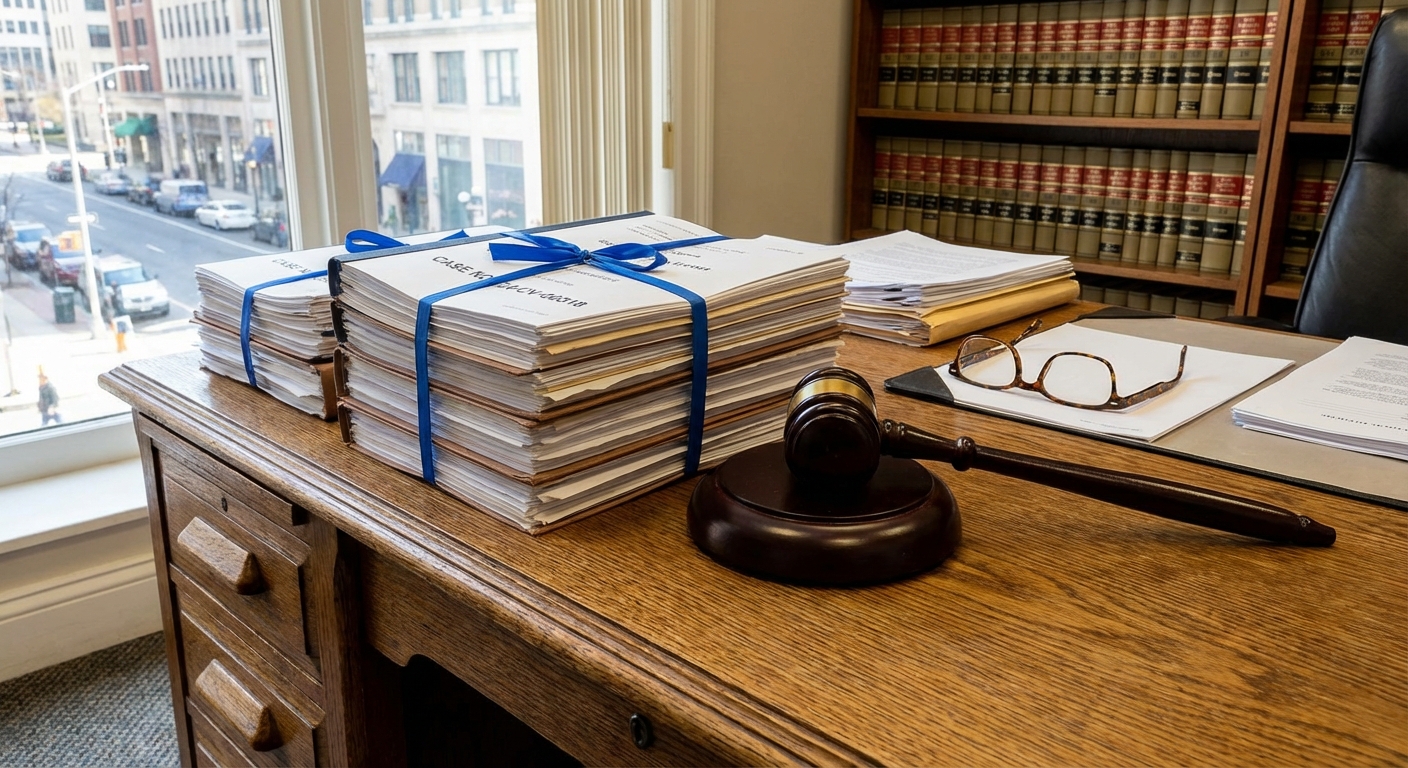
Motorcycle Accident Lawyers in California
By the MotoWreck Help Editorial Team · Last reviewed: April 2026
If you're reading this after a crash, here's what you need to know: most California motorcycle lawyers take cases on contingency, meaning you don't pay unless you win. California law gives you up to two years to file a personal injury lawsuit — so you don't have to rush into a settlement. The best lawyers get you medical records first, then negotiate with insurance. Don't sign anything the first two weeks. Insurance adjusters know a down rider is usually in pain and not thinking clearly. They'll try to lock in a lowball offer. Your job right now is to get treated and get a lawyer. The settlement negotiations come later.
Talk to an attorney — no upfront cost, no obligation.
Start my case review →At a Glance: What You Need to Know
Most California motorcycle lawyers work on contingency — no upfront fees. You only pay if they win your case, usually taking 33 to 40 percent of the settlement. California gives you two years from the crash to file a lawsuit, so you're not in a rush to sign anything.
The key difference between motorcycle and car crash settlements is this: juries and adjusters treat motorcycles differently. A rider's injuries tend to be worse for the same-speed crash. That's actually good for your case — it means damages are higher. But it also means you need a lawyer who knows how motorcycle juries think.
They won't pity you, but they will respect you if you were following the law. Here's what to do right now: get medical treatment, gather the police report, and call a lawyer. Not tomorrow. Today. Insurance adjusters start calling within 48 hours. They sound friendly. They're not your friend. They want to close your file cheap.
According to the [National Highway Traffic Safety Administration (NHTSA)](https://www.nhtsa.gov/), motorcycle crash victims are 28 times more likely to be killed than car drivers. That statistic matters to your case. Juries understand that motorcycle injuries are serious. A competent lawyer uses this fact to push for higher damages.
Why California Motorcycle Crashes Settle Differently
A motorcycle accident isn't a car accident wearing less sheet metal. The biology is different. A 30 mph crash that bumps a car might put a rider in the hospital. Juries know this. That means damages — medical bills, lost wages, pain and suffering — tend to be higher in motorcycle cases.
California's comparative negligence rule is pure: even if you're 60 percent at fault, the other party is still liable for their share. A lot of riders think a minor lane-split mistake will kill their case. It won't. California also doesn't have damage caps for personal injury (unlike some states), so catastrophic injuries can settle for serious money.
The state bar requires attorneys to have motorcycle-specific knowledge if they're going to try these cases competently. Most don't. They treat motorcycle cases like car cases, and they leave money on the table. You need someone who's ridden, who knows the blind spots, who understands why a right-turning car doesn't see a rider coming.
[The Insurance Institute for Highway Safety (IIHS)](https://www.iihs.org/) publishes motorcycle safety data that reinforces this point — motorcycle crashes have different injury patterns than car crashes. Insurance adjusters in California know that a motorcycle lawyer who also rides is scarier. They settle faster.
Finding the Right Lawyer: What to Look For
Start by checking the [State Bar of California's website](https://www.calbar.ca.gov/) — they have a lawyer search and a complaint history. Any attorney with multiple complaints gets eliminated. Next: Does the lawyer ride? This isn't required, but it matters. A rider-lawyer understands the bike behavior and rider instinct in ways a non-rider doesn't.
Ask about their track record: How many motorcycle cases? What's the average settlement? Do they have trial experience, or do they only settle? If they only settle, they'll be weaker in negotiations. You want someone who could try your case but usually doesn't have to because insurance knows they will.
Check if they have in-house investigators. Speed matters. The wreck scene photographs, witness statements, and traffic camera footage can disappear. A good lawyer gets these in the first 30 days. Finally, trust your gut. If a lawyer is pushy, if they pressure you to decide today, if they sound more like a salesman than a legal professional — walk. The right lawyer will answer your questions calmly and give you time to decide.
The Settlement Process: From Claim to Payment
Here's the realistic timeline. Week 1: Get medical care. File a police report if you haven't. Week 2-4: Insurance adjuster calls. Don't settle yet. Weeks 4-8: Gather medical records, police report, and repair estimates. Send to your lawyer.
Month 2-3: Your lawyer sends a demand letter to the insurance company. This is formal notice of your claim and your damages. The adjuster will likely deny it or make a lowball counteroffer. Month 3-6: Negotiation. Your lawyer goes back and forth with the adjuster. They're trying to close the file. You're trying to get fair value. Most cases settle during this phase.
Month 6+: If no settlement, your lawyer files a lawsuit. Discovery happens (both sides exchange evidence). Depositions occur. The case heads toward trial — or settles days before trial starts. Cash comes 30-45 days after settlement. The whole process, from crash to check in hand, usually takes 4 to 12 months. Catastrophic injuries can take 18 months or longer. Your lawyer should give you realistic expectations at every stage. If they're being vague about timeline, they're not being straight with you.
Taking Action: Your Next Steps
You're hurt. You're angry. Your bike is probably totaled. You don't know what comes next. Here's the move:
1) See a doctor today if you haven't. Document everything.
2) Get the police report. It's public record — you can request it online or in person.
3) Photograph your bike, your injuries, and the scene if you can. If you can't, ask a friend.
4) Write down what you remember while it's fresh. Time of day, weather, what the other driver did, what witnesses said.
5) DO NOT post on social media. Insurance adjusters will screenshot it and use it against you.
6) DO NOT sign anything or give a recorded statement to an insurance company without a lawyer present. Not even a quick phone call.
7) Call a California motorcycle lawyer. Many offer free consultations. You're not committing to anything — you're getting information. A good lawyer will tell you if you have a strong case and what you can expect.
A bad lawyer will promise the moon. Most reputable lawyers will ask for the police report and medical records, then give you a realistic answer in 24-48 hours. That's how you know they're real.
Frequently asked questions
Do I need a lawyer if I have health insurance?
Yes. Your health insurance covers your medical bills, but it doesn't cover lost wages, pain and suffering, or bike damage. The insurance company won't volunteer to pay those. A lawyer gets you the full settlement.
Can I settle my motorcycle accident case without a lawyer?
Technically, yes. You'll probably regret it. Insurance adjusters are trained to push settlements down. They know the law better than you do. A lawyer's fee comes out of what they recover beyond what the adjuster would have offered. Most riders come out ahead.
How much does a California motorcycle lawyer cost?
Most work on contingency — no upfront cost. They take 33 to 40 percent of the settlement. If you don't win, you owe nothing. There's no reason not to hire one.
How long after a motorcycle crash can I sue?
You have two years from the crash date to file a lawsuit under California Code of Civil Procedure § 335.1. But don't wait. Evidence disappears, memories fade, and the statute of limitations is just the deadline — not the right time to file.
What if the other driver didn't have insurance?
California requires all drivers to carry minimum insurance. If they don't, your lawyer can pursue them personally, file against your own uninsured motorist coverage, or both. It complicates things, but you still have options.
Will the insurance company know I talked to a lawyer?
Once your lawyer sends a formal demand letter, yes. Until then, no. But don't volunteer information. Don't give recorded statements. Let the lawyer handle it.
MotoWreck Help is an informational resource about motorcycle accident claims. We are not a law firm and do not provide legal advice. Information on this site is for general educational purposes only. If you have been injured in a motorcycle accident, consult a licensed attorney in your state. No attorney-client relationship is created by using this site.
Free, confidential case review. No fees unless you win.
See if you qualify →